


Topics
Full Content

Similar Posts
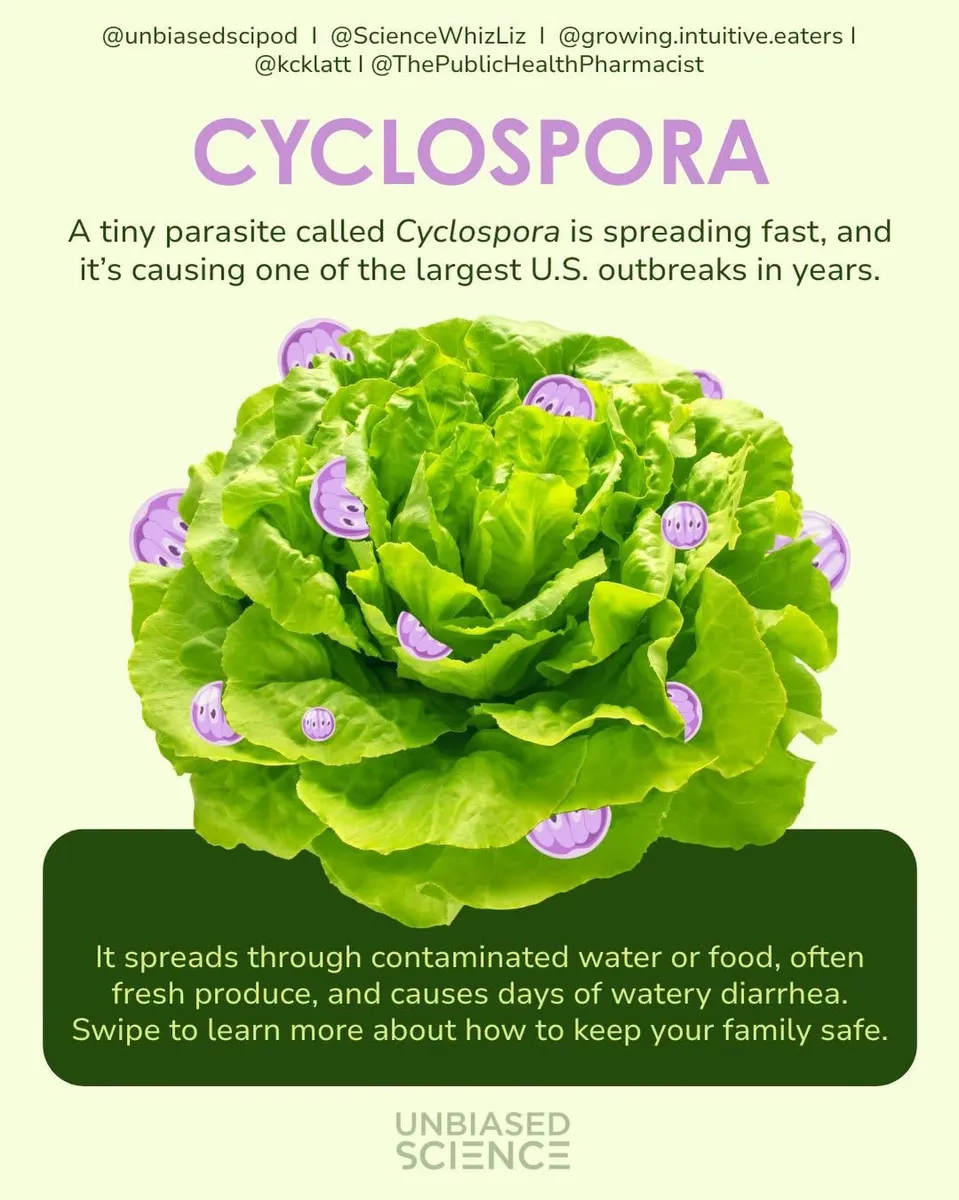
Cyclospora outbreak spreads through contaminated produce across U.S.
A parasitic outbreak is affecting thousands across the U.S., with Michigan reporting over 1,200 cases. The parasite spreads through contaminated fresh produce and causes severe watery diarrhea. Symptoms appear 1-2 weeks after infection, meaning case counts are likely still climbing.
Read More →
Let’s Hear It From the Boys
Young males represent a significant gap in public health research and intervention strategies. This blind spot has real consequences for disease prevention, mental health, and overall population wellbeing. Understanding sex-specific health needs is essential for effective public health policy.
Read More →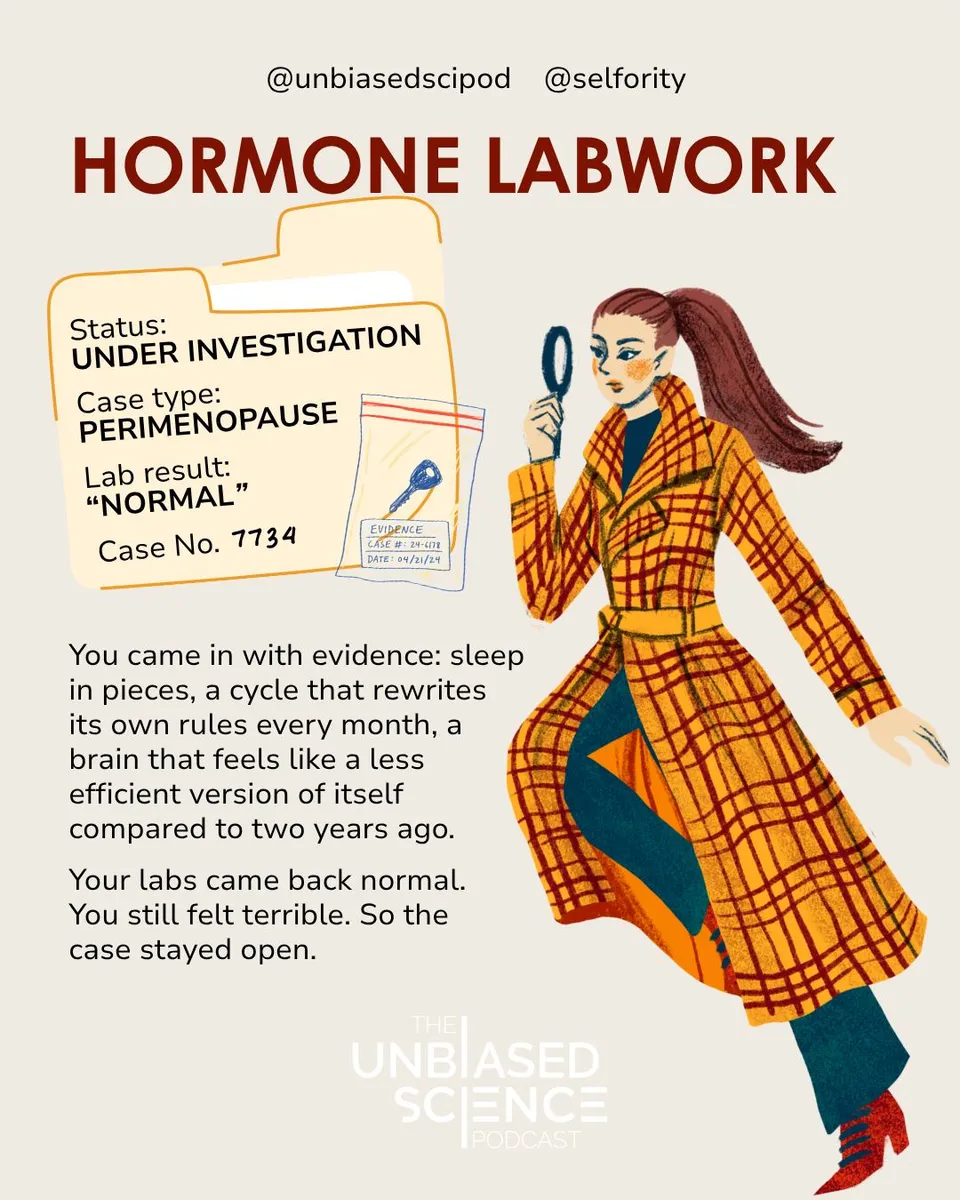
The Perimenopause Case: Why Your Symptoms Matter
Normal labs but exhausted? Brain fog? Changing cycles? This is perimenopause - a clinical diagnosis based on your symptoms, not test results. Follow the investigation into why this condition is often missed and why your experience is the evidence that counts.
Read More →
The Benadryl Challenge: Why OTC Drugs Aren't Always Safe
Benadryl abuse among teens is surging, with over 7,000 poison center cases reported in 2024 - nearly 14% intentional. The viral 'Benadryl Challenge' trend highlights how accessible medications can pose serious health risks when misused.
Read More →
Nature Is My Hobby, Not My Doctor
Explore how you can appreciate nature-based practices and maintain a holistic lifestyle without abandoning scientific evidence. Discover the balance between wellness curiosity and evidence-based health decisions.
Read More →